Product Categories
The Main Purpose
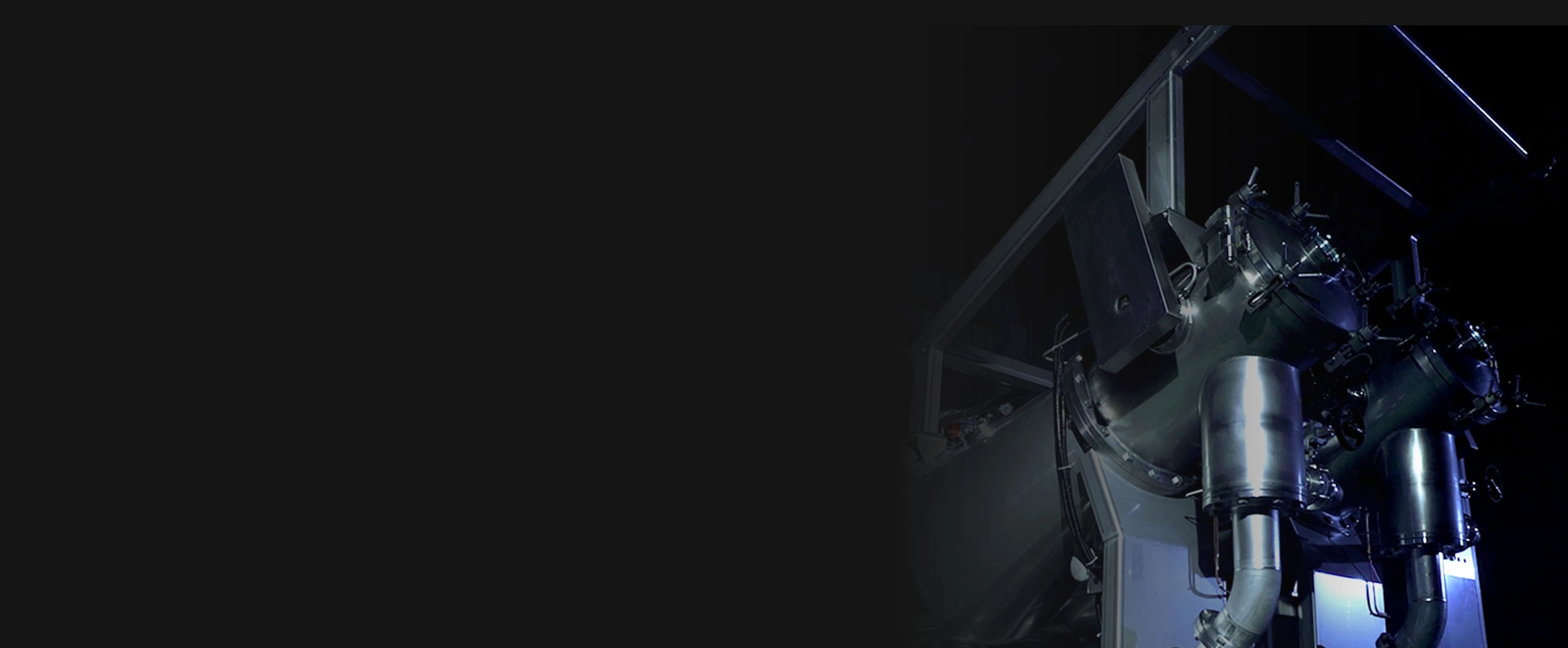
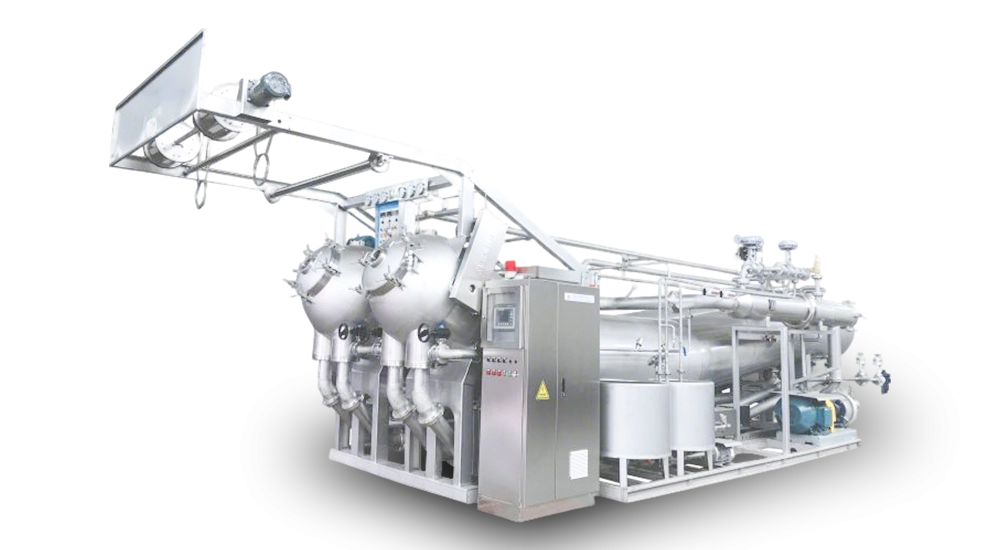
Dyeing, Untwisted, Preshrinking, Reduction and other ultra-low liquor ratio diverse processing.
Applicable Cloth Types
Nylon/Spandex, Cotton/Spandex, Polyester/Spandex, T/C, T/R, Suede velvet, Super-soft velvet……Dyeing process of such tissue fabric.
The Main Purpose
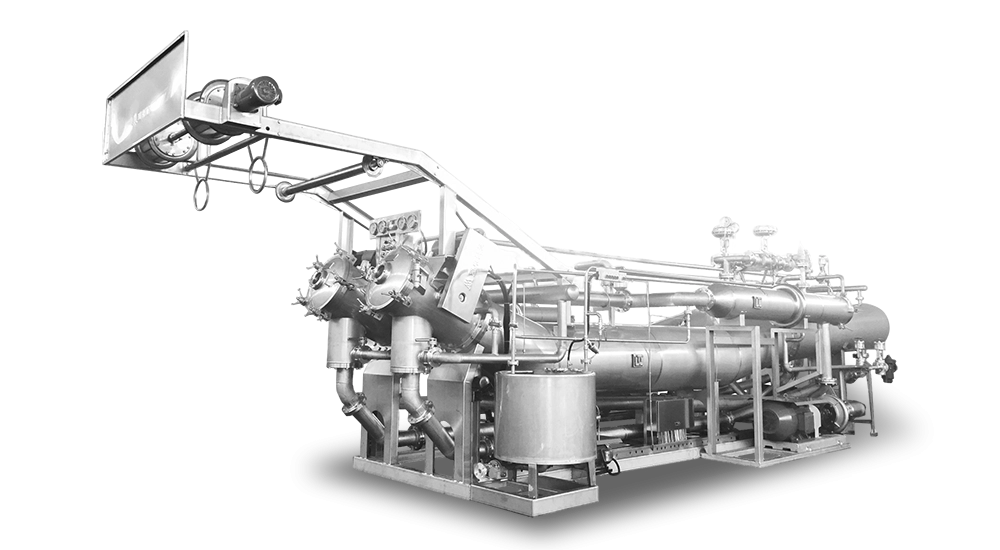
Dyeing, Untwisted, Preshrinking, Reduction and other ultra-low liquor ratio diverse processing.
Applicable Cloth Types
Polyester , T/R, T/C, Cotton, Polyster with Cotton,Rayon......Dyeing process of such tissue fabric.
As global textile manufacturing faces mounting pressure to reduce water consumption, chemical usage, and energy costs, the ultra-low liquor ratio liquid flow dyeing machine has become a cornerstone technology for forward-looking dyeing operations. Zhejiang Yadong Machinery Co., Ltd., headquartered at No. 375, Xichuan Road, Haining City, Zhejiang, China, engineers this category of machines with a focus on precision, durability, and environmental responsibility. This page introduces the two flagship models in the ultra-low liquor ratio series — the MD and MK — and explains the technical principles, structural advantages, fabric compatibility, and performance parameters that distinguish them in the market.
Liquor ratio refers to the weight ratio of dyebath liquid to fabric loaded in the machine. Conventional high-temperature liquid flow dyeing machines commonly operate at liquor ratios of 1:8 to 1:12, consuming large volumes of water, dye, and auxiliary chemicals per kilogram of fabric. An ultra-low liquor ratio dyeing machine compresses this figure to 1:4–1:6, dramatically cutting resource consumption per batch without sacrificing dye penetration depth, color uniformity, or fabric handle. The reduction in bath volume also means shorter heating and cooling cycles, lower steam demand, and reduced wastewater discharge — directly supporting sustainable textile production commitments that mills and brands increasingly require.
At the mechanical level, achieving a stable 1:4–1:6 liquor ratio demands precise engineering of the main barrel geometry, nozzle design, fabric transport dynamics, and pump performance. If any element is underpowered or misaligned, fabric creasing, unlevel dyeing, or mechanical stress damage can result. Yadong's MD and MK series address each of these technical challenges through purpose-built structural innovations described in detail below.
Yadong currently offers two models under its ultra-low liquor ratio product line: the Industrial MD Dyeing Machine and the Fabric Dyeing Machine with Low Liquor Ratio Model MK. Both share the same core processing capabilities — dyeing, untwisting, preshrinking, and reduction — and both operate at a maximum temperature of 140°C and maximum pressure of 4 kg/cm², making them suitable for a broad spectrum of textile substrates. The key differences lie in barrel configuration, fabric groove arrangement, and the specific fabric types each model is optimized to handle.
The MD series adopts a large-diameter single-barrel double-groove design, while the MK series is built around a stepped main barrel architecture optimized for single or multi-tube configurations. Both are engineered to run fabric speeds between 150 and 600 m/min, enabling high production throughput across a wide range of fabric weights and constructions.
The MD ultra-low liquor flow dyeing machine is developed specifically for stretch and blended technical fabrics that present unique handling challenges. Its applicable fabric range includes Nylon/Spandex, Cotton/Spandex, Polyester/Spandex, T/C, T/R, Suede velvet, and Super-soft velvet. These fabric constructions are particularly sensitive to tension, elongation, and surface abrasion during processing, and the MD's mechanical design directly addresses these vulnerabilities.
The large-diameter single-barrel double-groove configuration is a defining feature of the MD. This design allows the machine to accept fabrics with strict single-meter length input limits while improving single-machine utilization rates — an inherent weakness of conventional single-tube, single-groove dyeing machines. By processing two fabric lots independently within one barrel, production scheduling flexibility is greatly enhanced.
The stepped main barrel structure ensures that fabric exits the tail section rapidly and enters the main barrel in a stacking-and-creeping motion. This continuous, low-tension stacking movement prevents fabric from compressing under its own weight for extended periods, which is the primary mechanical cause of crease formation in stretch and velvet fabrics. The smooth, progressive stacking also maintains consistent fabric circulation speed, avoiding the stop-start dynamics that create tension irregularities and uneven dye distribution.
Single-tube double-groove independent guide wheel design is another MD-specific feature. Each groove operates with its own guide wheel pathway, so the lifting and lowering motion in one groove does not mechanically interfere with the other. This non-interference design allows both grooves to maintain fast, stable fabric circulation simultaneously, improving overall throughput without compromising fabric handling quality.
Nozzle selection in the MD is configured for large-flow output. High-volume nozzles generate stronger dye liquor circulation across the fabric surface, which improves leveling — particularly important for solid-color dyeing of stretch fabrics where surface uniformity is visually critical. A high-head, high-quality main pump supports this nozzle performance, delivering stable hydraulic pressure regardless of fabric load or process stage.
The MD series is available in four primary models. MD-1(2)-300 handles a capacity of 150–300 kg with a liquor volume of 1,200–1,800 liters, powered by a 30 HP main pump. MD-1(2)-400 supports 200–400 kg at 1,600–2,400 liters with a 40 HP pump. The larger MD-2(4)-600 handles 300–600 kg with 2,400–3,600 liters and a 60 HP pump, while MD-2(4)-800 covers 400–800 kg at 3,200–4,800 liters with a 75 HP pump. All models maintain the same maximum temperature and pressure parameters and the same fabric speed range. Machine dimensions scale with capacity; length ranges from 8,350 to 10,950 mm depending on model and configuration, with height reaching 3,260 mm at maximum.
The MK low liquor ratio fabric dyeing machine is optimized for woven and knitted commodity fabrics including Polyester, T/R, T/C, Cotton, Polyester-Cotton blends, and Rayon. These are typically higher-volume fabrics processed in large batch sizes, making energy efficiency and dyeing consistency per kilogram of fabric the primary performance metrics.
The MK shares the stepped main barrel structure with the MD, delivering the same anti-crease stacking-and-creeping fabric movement. This architecture directly replaces the need for elevated bath volumes as a mechanism for preventing crease — a key reason why conventional machines use high liquor ratios. By solving the crease problem mechanically, the MK achieves a verified 1:4–1:6 ultra-low bath ratio, adjustable in practice according to the specific fabric type and process recipe. This adjustability is operationally valuable because different fiber types require different dye uptake conditions, and locking the liquor ratio to a fixed value would limit process flexibility.
The MK's three standard configurations — MK-1-250-P, MK-2-500-P, and MK-4-1000-P — cover a capacity range from 180–300 kg up to 720–1,200 kg per batch. Liquor volume scales proportionally from 1,000–1,500 liters in the single-tube model to 4,000–6,000 liters in the four-tube configuration. Main pump power correspondingly ranges from 25 HP to 100 HP. All three configurations share the same 9,820–11,590 mm length range, with width varying from 1,600 mm to 5,200 mm to accommodate the additional tube assemblies. Fabric speed remains 150–600 m/min across all configurations, consistent with the MD series.
Both the MD and MK are designed to perform four principal textile processes within a single machine. Dyeing is the primary function, covering reactive, disperse, acid, and vat dye applications depending on the fabric substrate. Untwisting addresses the rotational tension accumulated in knitted and woven fabrics during weaving and knitting, preventing permanent twist deformation during downstream processing. Preshrinking uses controlled temperature and moisture to induce and stabilize fabric dimensional change before the final product is cut and sewn, reducing post-wash shrinkage at the consumer level. Reduction processing — primarily used for polyester fabrics — involves alkaline reduction clearing to remove surface dye and oligomer deposits, improving color depth and fabric handle after dyeing.
Performing all four processes in a single high-efficiency machine reduces the number of equipment handling steps, shortens total processing time, and lowers the risk of fabric damage from repeated machine loading and unloading.
Both models support an extensive optional equipment list that significantly extends their process control capabilities. Water and steam flowmeters provide real-time measurement of utility consumption, enabling precise recipe control and cost tracking per batch. Proportional heating and cooling devices allow programmable temperature ramp rates, which is critical for dye classes that require controlled temperature gradients to achieve level dyeing — for example, disperse dyes on polyester require slow, controlled temperature rise through the critical dye uptake zone between 100°C and 130°C.
Proportional dosing devices automate the addition of dye and auxiliary chemicals at programmable rates and time points, eliminating manual addition errors and improving batch-to-batch consistency. Meter length measuring devices track cumulative fabric circulation, enabling process control decisions based on verified fabric movement data rather than time alone. The pH control system continuously monitors and adjusts bath acidity, which is essential for acid dye processes on nylon and for reactive dye fixation on cotton where pH trajectory directly affects dye yield and wash fastness. The high-temperature washing system provides integrated post-dyeing washing capability within the same machine, reducing the need for separate wash equipment and shortening the overall process cycle.
Additional options including double barrel systems, fabric arrangement devices, and head-lift type water rolling devices further expand the machine's adaptability to specific production requirements.
The shift from conventional high-bath-ratio dyeing to ultra-low liquor ratio processing delivers measurable operational improvements across multiple cost categories. Water savings of 40–60% per batch directly reduce municipal water costs and wastewater treatment volumes. Dye and auxiliary chemical savings scale proportionally with water reduction — at 1:5 liquor ratio compared to 1:10, the same concentration of dye is achieved with approximately half the chemical input. Steam consumption is reduced because a smaller volume of water requires less energy to heat from fill temperature to process temperature and to cool back down at the end of the cycle. Collectively, these reductions lower the cost per kilogram of dyed fabric, improve the environmental profile of the dyehouse, and position mills to meet increasingly stringent discharge regulations and brand sustainability audits.
Yadong's engineering approach to ultra-low liquor ratio operation — solving crease prevention mechanically through barrel geometry rather than relying on excess bath volume as a cushion — means these savings are achieved without compromising fabric quality. This distinction is important: some ultra-low bath ratio machines achieve water savings at the cost of increased crease marks, particularly on sensitive stretch fabrics. The MD and MK's structural design specifically addresses this trade-off.