In textile dyeing, achieving consistent color distribution across the entire fabric batch is one of the key challenges for manufacturers. Even when the dye formulation and processing temperature are properly controlled, variations in dye liquor circulation, fabric movement, and hydraulic conditions can still affect the final shade. This is why nozzle design plays an important role in the performance of an HTHP Jet Dyeing Machine. By controlling how dye liquor flows through the fabric circulation system, the nozzle helps maintain effective contact between the fabric and dye bath, supporting more consistent dye absorption and leveling.
An HTHP Jet Dyeing Machine operates through a continuous fabric circulation process in which a main pump delivers dye liquor through a nozzle while the fabric moves through the machine in rope form. The interaction between the liquid flow and fabric movement helps distribute the dye liquor across the material during processing. Unlike systems that rely primarily on mechanical fabric handling, jet dyeing equipment uses hydraulic force as an important part of fabric transportation.
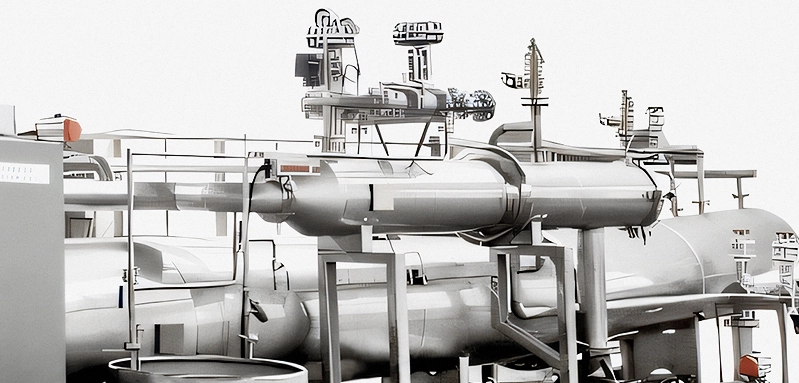
The nozzle is therefore more than a simple liquid outlet. Its flow capacity and structural configuration influence the velocity and distribution of dye liquor entering the fabric circulation path. When the liquor flow is insufficient or unstable, fabric movement and dye contact may become inconsistent. For this reason, nozzle performance needs to be considered together with pump capacity, fabric speed, and the overall circulation design when evaluating a high temperature and pressure jet dyeing machine.
Flow rate is one of the important factors affecting dye liquor distribution during textile processing. A properly configured nozzle allows sufficient dye liquor to circulate through the fabric, helping maintain consistent wetting and contact throughout the dyeing cycle. This is particularly important when processing woven fabrics or materials with different thicknesses and surface structures, as variations in liquor circulation can influence dye penetration and color leveling.
Large-flow nozzles can support higher-volume dye liquor circulation, helping improve the leveling effect during processing. However, a higher flow rate does not automatically guarantee better dyeing results. Excessive hydraulic force may create unnecessary mechanical stress on certain fabrics, while insufficient flow may affect fabric transportation and liquor exchange. The appropriate nozzle configuration should therefore match the fabric characteristics, machine capacity, and processing requirements.
For textile manufacturers, evaluating a Jet Dyeing Machine Nozzle involves more than checking its flow capacity. The relationship between flow rate, pump performance, and fabric movement is equally important for maintaining stable dyeing conditions.
Besides flow rate, nozzle structure also influences how fabric passes through the dyeing system. The nozzle must provide suitable hydraulic conditions for continuous fabric transportation without causing excessive tension, friction, or deformation. This becomes particularly important when processing lightweight fabrics, dense woven constructions, or materials with sensitive surface finishes.
During continuous circulation, the fabric repeatedly enters the dye liquor flow zone and moves through the main dyeing chamber. Stable fabric transportation helps maintain consistent processing conditions from one section of the fabric to another. If the fabric movement becomes irregular, some areas may experience different contact conditions or prolonged compression, potentially contributing to uneven dyeing or surface creases.
A well-designed HTHP Jet Dyeing Machine should therefore coordinate nozzle performance with the fabric guide system and dyeing barrel structure. The objective is to achieve effective liquor circulation while allowing the fabric to move smoothly through the equipment. This combination is especially relevant for long production cycles, where stable circulation helps reduce variations during batch processing.
The nozzle cannot operate independently of the machine's main pump. The pump supplies the hydraulic energy required to circulate dye liquor, and its capacity must be compatible with the nozzle configuration and the resistance of the circulation system. If pump output fluctuates or is insufficient for the required operating conditions, the resulting flow may become unstable and affect fabric transportation.
In industrial dyeing applications, pump head, flow capacity, and operating stability should be evaluated together. A high-head main pump can provide the pressure required to maintain dye liquor circulation through the nozzle system, while appropriate system matching helps avoid unnecessary hydraulic fluctuations. These factors are particularly important when processing different fabric weights or running equipment at different production speeds.
The SK Series High Temperature and Pressure Jet Dyeing Machine from Yadong Machinery combines large-flow nozzles with a high-head, high-quality main pump to support stable and efficient operation. This coordinated configuration is designed to improve the leveling effect while maintaining reliable fabric circulation during dyeing.
Although nozzle performance is important, dyeing uniformity depends on the complete machine configuration and process conditions. Fabric speed, temperature control, dye dosing, liquor ratio, and fabric loading can all influence the final result. For example, different fiber compositions and fabric constructions may require different circulation conditions and dyeing recipes. Polyester, nylon, rayon, Tencel, and blended fabrics should not necessarily be processed using identical operating parameters.
The fabric guide system is another important consideration. In the Yadong SK Series, guide wheel speed is automatically adjusted according to the running speed of the fabric. This arrangement helps reduce the probability of fabric abrasion and winding during operation. The machine also adopts a specially designed dyeing barrel structure that allows fabric to enter the main barrel and accumulate in a controlled piling and movement process, helping reduce creases caused by prolonged fabric compression.
For production lines handling larger fabric batches, the two-strand input configuration provides another operational advantage. It allows two fabric strands to run smoothly at high speed, supporting higher production efficiency while maintaining controlled fabric circulation.
When selecting an HTHP Jet Dyeing Machine, textile manufacturers should evaluate the equipment according to their actual fabric types, batch sizes, and dyeing processes. Nozzle flow capacity, main pump performance, fabric speed adjustment, and dyeing chamber structure should be considered as an integrated system rather than isolated specifications.
For example, the Yadong SK Series offers three standard configurations: SK-1-250/250-P, SK-2-500/500-P, and SK-4-1000/1000-P, with processing capacities ranging from 150–250 kg to 600–1,000 kg, depending on the selected configuration. The series operates at a maximum temperature of 140°C and a maximum pressure of 4 kg/cm², with fabric running speeds ranging from 150 to 600 m/min.
The equipment is designed for most woven and warp-knitted fabrics, as well as selected knitted materials, including polyester, T/R, T/C, nylon, rayon, Tencel, and filament fabrics. Its processing applications include dyeing, untwisting, preshrinking, and reduction. Optional configurations such as proportional dosing, proportional heating and cooling, pH control, and high-temperature washing systems can further support process management according to individual production requirements.